Free things to do in London - a member's guide
A city's character is often in what it gives away: the best of London at no cost.
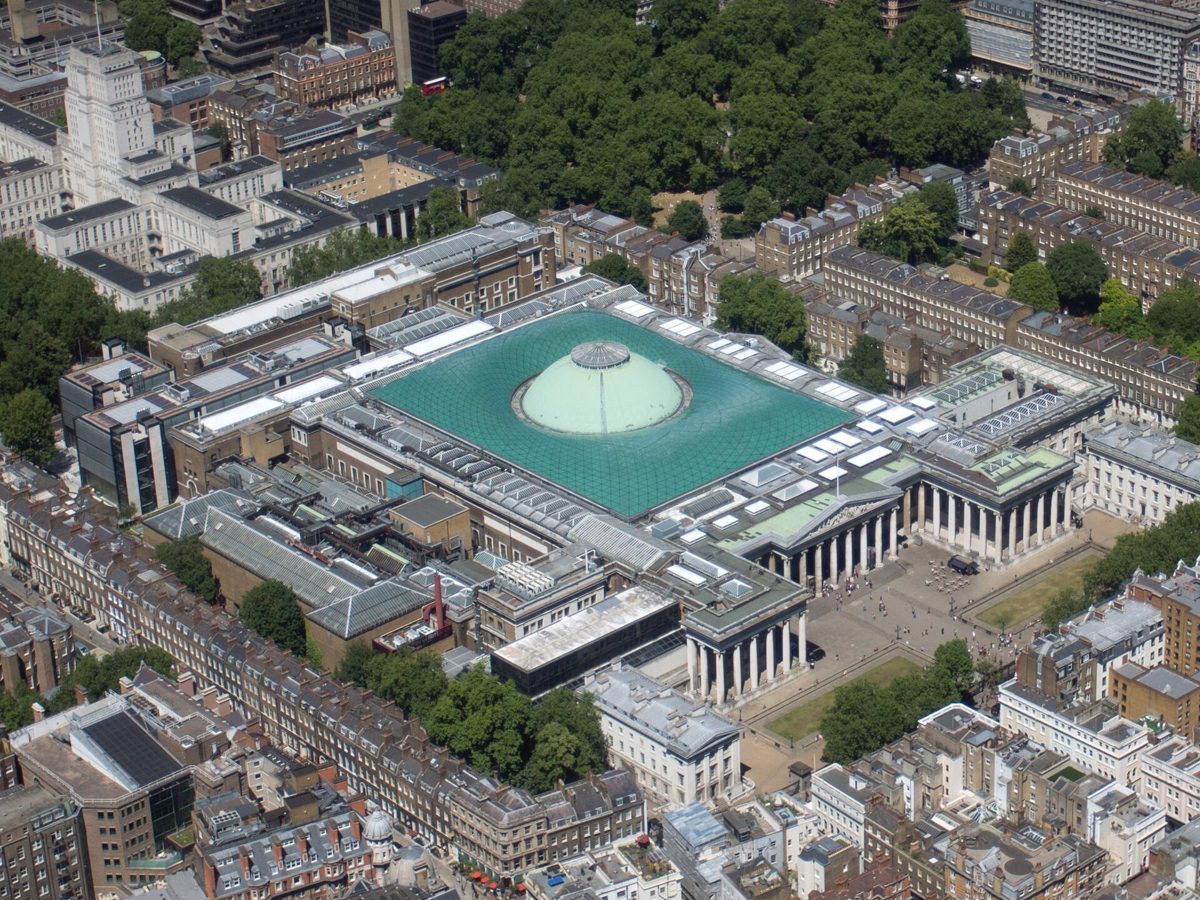
London offers an unparalleled array of world-class cultural experiences without charge. From ancient artifacts at the British Museum to Renaissance masterpieces at the National Gallery and modern art at Tate Modern, the city's leading institutions house vast permanent collections accessible to everyone. Explore natural wonders, decorative arts, and eccentric private hoards, all free to discover.
The British Museum
The British Museum in Bloomsbury stands as a monumental repository of human history, culture, and art from across the globe. Its vast permanent collection, which is always free to view, spans two million years of human endeavor. Visitors encounter the Rosetta Stone, which unlocked ancient Egyptian hieroglyphs, and the Parthenon sculptures, offering a glimpse into classical Greek artistry. The Egyptian mummies collection is extensive, providing insights into ancient burial practices and beliefs. Another highlight is the Sutton Hoo ship burial treasures, a remarkable Anglo-Saxon discovery that reshaped understanding of early English history.
Why it is worth the time: The British Museum offers an extraordinary journey through time and civilizations. It is a place where you can stand before objects that have shaped human understanding and culture, from the earliest tools to intricate works of art. The sheer scale and diversity of the collection are breathtaking, allowing for deep dives into specific eras or a broad overview of global heritage. It presents a unique opportunity to connect with distant pasts and diverse cultures without leaving central London.
The National Gallery
Overlooking Trafalgar Square, the National Gallery houses the United Kingdom's national collection of Western European paintings from the mid-13th century to 1900. Its free permanent collection includes masterpieces by some of history's most celebrated artists. You can see Vincent van Gogh's vibrant Sunflowers, Leonardo da Vinci's The Virgin and Child with Saint Anne and Saint John the Baptist cartoon, and works by British masters like J.M.W. Turner and John Constable. Italian Renaissance artists such as Botticelli and Raphael are well represented, alongside Dutch masters like Rembrandt and Vermeer.
Why it is worth the time: The National Gallery provides a comprehensive survey of European painting, allowing visitors to trace the evolution of art styles and techniques across centuries. It is an essential destination for anyone interested in art history, offering direct engagement with iconic works that have influenced generations. Standing before paintings like Jan van Eyck's Arnolfini Portrait or Diego Velázquez's Rokeby Venus offers a profound connection to artistic genius and the stories they tell. The gallery's layout also makes it easy to navigate, whether you have an hour or an entire afternoon.
Tate Modern
Housed in a former power station on the South Bank, Tate Modern is the United Kingdom's national museum of international modern and contemporary art. Its free permanent collection showcases art from 1900 to the present day. Expect to see groundbreaking works by artists such as Pablo Picasso, Salvador Dalí, Andy Warhol, and Mark Rothko. The collection is organized thematically rather than strictly chronologically, encouraging fresh perspectives on art and its connections. A key feature is the vast Turbine Hall, which often hosts large-scale, site-specific installations, transforming the space with new artistic visions.
Why it is worth the time: Tate Modern challenges perceptions and offers a dynamic exploration of 20th and 21st-century artistic movements. It is a vibrant space that reflects the ever-evolving nature of art, from Cubism and Surrealism to Pop Art and Minimalism. The opportunity to see such a diverse range of modern masterpieces under one roof, alongside cutting-edge contemporary works, makes it a compelling visit. The building itself is an architectural marvel, and its location provides stunning views across the Thames.
The Victoria and Albert Museum (V&A)
The V&A in South Kensington is the world's leading museum of art, design, and performance, housing a permanent collection of over 2.3 million objects spanning 5,000 years of human creativity. Entry to its vast general collection is free. Visitors can marvel at fashion from different eras, intricate ceramics, stunning jewelry, and monumental sculptures. Highlights include the Raphael Cartoons, seven large designs for tapestries by the High Renaissance master Raphael, and the Cast Courts, which display plaster casts of iconic European sculptures and architectural details. The museum also features extensive collections of photography, furniture, and East Asian art.
Why it is worth the time: The V&A offers an unparalleled journey through the history of design and craftsmanship from around the globe. It is a treasure trove for anyone interested in how objects are made, used, and appreciated across cultures and time. The sheer variety of exhibits means there is something to capture every interest, whether it is medieval tapestries, contemporary glass art, or ancient Chinese ceramics. The museum's beautiful architecture and serene courtyards also provide a delightful setting for exploration.
The V&A's diverse collections include: Fashion: Garments from the 17th century to modern haute couture. Jewellery: From ancient Egyptian amulets to contemporary pieces. Sculpture: European, Asian, and African works across many periods. Ceramics: Extensive displays of pottery, porcelain, and tiles. Furniture: Historical and modern designs from various regions. Photography: One of the world's largest and oldest photography collections.
The Natural History Museum
Also located in South Kensington, the Natural History Museum is a magnificent institution dedicated to the natural world. Its free permanent collection encompasses life and earth science specimens. The iconic Hintze Hall greets visitors with the immense skeleton of a blue whale, suspended dynamically from the ceiling. Other popular attractions include the Dinosaurs gallery, featuring a moving T-Rex model, and the Earth Galleries, which explore geology, volcanoes, and earthquakes. The museum also houses extensive collections of minerals, fossils, and botanical specimens, offering a comprehensive look at biodiversity and planetary processes.
Why it is worth the time: The Natural History Museum is an inspiring place that educates and fascinates visitors of all ages about the wonders of our planet. It provides a tangible connection to the history of life on Earth, from prehistoric creatures to the complex ecosystems of today. The museum's grand Victorian architecture is itself a sight to behold, creating an immersive experience that combines scientific discovery with aesthetic beauty. It is an ideal spot to learn about evolution, ecology, and the forces that shape our world.
Sir John Soane's Museum
Tucked away near Lincoln's Inn Fields, Sir John Soane's Museum is a truly unique experience. This former home of the eccentric Georgian architect Sir John Soane has been preserved exactly as it was at the time of his death in 1837. Entry is free to its permanent collection. The museum is a labyrinthine space filled with architectural models, classical antiquities, paintings, and drawings. Among its most famous holdings are William Hogarth's series of paintings A Rake's Progress and the sarcophagus of Seti I, an Egyptian pharaoh. Every corner reveals something unexpected, from hidden passages to unexpected reflections.
Why it is worth the time: Visiting Sir John Soane's Museum is like stepping into a time capsule and the mind of a brilliant, idiosyncratic collector. It offers an intimate and personal glimpse into an individual's passion for art, history, and architecture. The way Soane arranged his collection, using mirrors and light to create illusions of space and depth, is an artwork in itself. It is a wonderfully atmospheric place, far removed from the grand scale of larger institutions, offering a singular and memorable experience.
The Wallace Collection
Nestled in a grand townhouse in Marylebone, the Wallace Collection is a national museum housed in the former residence of the Marquesses of Hertford and Sir Richard Wallace. Its permanent collection is free to explore, showcasing an outstanding array of 18th-century French paintings, furniture, Sèvres porcelain, and Old Master paintings. Highlights include Jean-Honoré Fragonard's iconic Rococo masterpiece The Swing, Frans Hals's The Laughing Cavalier, and a significant collection of European armoury. The museum's intimate scale allows for close appreciation of individual objects, many of which are of exceptional quality.
Why it is worth the time: The Wallace Collection provides a rare opportunity to experience an aristocratic private collection in its original setting. It offers an exquisite look at the tastes and collecting habits of a wealthy 18th and 19th-century family, particularly their fondness for French decorative arts and Old Master paintings. The quality and beauty of the objects, from delicate miniatures to powerful portraits and ornate furniture, are consistently high. It is a wonderfully elegant and manageable museum, perfect for a focused visit to appreciate artistic excellence in a beautiful domestic environment.
Frequently asked questions
Are all major London museums free?
Many of London's world-class museums and galleries, including all those mentioned in this guide, offer free admission to their permanent collections. This is a long-standing tradition in the UK, designed to make culture and heritage accessible to everyone. However, special exhibitions, which often feature loaned works or thematic displays, typically require a paid ticket. Always check the institution's website if you plan to see a specific temporary exhibition.
How can I make the most of my visit to these free museums?
To maximize your experience, consider focusing on one or two specific galleries or periods within a larger museum rather than trying to see everything in one go. Many institutions offer free guided tours led by volunteers, which can provide valuable insights and context- look for information boards or ask staff upon arrival. Utilizing museum apps or free digital guides can also enhance your understanding of the collections. Plan for breaks- these vast spaces can be tiring to explore.
Are these museums suitable for families with children?
Absolutely. London's major museums are generally very family-friendly, offering engaging experiences for younger visitors. The Natural History Museum, with its dinosaurs and interactive displays, is a perennial favorite. The British Museum and V&A often have trails or activity sheets designed for children, helping them interact with the collections. Tate Modern's Turbine Hall installations can also be particularly captivating for all ages. While specific children's programs are often ticketed or scheduled, the general collections provide ample opportunities for discovery and learning.
This is an independent member's guide compiled by London BGTC Society. We are not affiliated with the venues and institutions mentioned; opening arrangements and programmes change - always confirm details on the official websites before making plans.
← Back to Events