Historic pubs of London - a member's guide
Old rooms with real history: the London pubs where the building is part of the story.
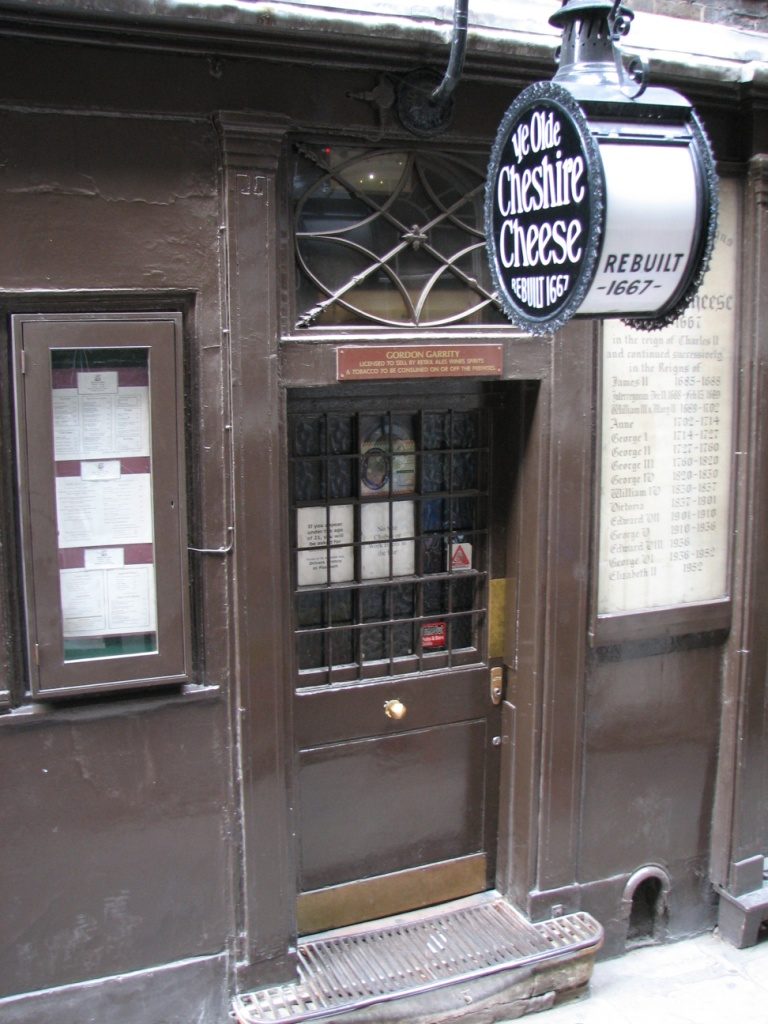
London's historic pubs offer more than just a drink-they are living museums, each with centuries of stories etched into their beams and flagstones. From Fleet Street's literary haunts to Southwark's last galleried inn and Wapping's riverside vistas, these establishments provide a tangible link to the city's past, embodying its enduring spirit and vibrant community life.
Introduction to London's Historic Public Houses
London's pub culture is deeply intertwined with its history, offering a window into centuries of social life, trade, and literature. These establishments, many dating back hundreds of years, have witnessed significant transformations in the city's landscape, surviving fires, wars, and relentless urban development. They stand as enduring symbols of community, places where ideas were exchanged, deals were struck, and stories were told, often shaping local politics and artistic movements. This guide explores five of London's most venerable pubs, each with a unique narrative, distinctive character, and documented connections to famous figures and pivotal moments. Visiting them is not just about appreciating their architecture or enjoying a beverage; it is about stepping into the city's continuous narrative, experiencing spaces that have shaped and been shaped by generations of Londoners.
Ye Olde Cheshire Cheese - A Literary Labyrinth
Tucked away down a narrow alley off Fleet Street, Ye Olde Cheshire Cheese is one of London's most celebrated historic pubs. While records indicate a pub on this site since the 16th century, the current structure was largely rebuilt following the Great Fire of London in 1666. Its cellars, however, are considerably older, believed to date back to the 13th-century Carmelite monastery that once occupied the land. This layered history contributes to its unique atmosphere, a palpable sense of antiquity that has drawn generations of patrons, from anonymous scribes to celebrated authors.
The interior of Ye Olde Cheshire Cheese is a distinctive warren of dark, low-ceilinged rooms, interconnected by narrow passages and steep stairs. The lack of natural light, combined with sawdust often scattered on the floors, enhances its old-world charm. Each snug and bar area, from the 'Chop Room' to the 'Coffee Room,' feels intimate and secluded, offering a glimpse into what a traditional London tavern might have felt like centuries ago. Historic fireplaces and original wood panelling further contribute to its unique, almost cavernous feel, making it a truly immersive historical experience. The uneven floors and worn wooden benches whisper tales of countless conversations held within these very walls.
The pub's documented associations are primarily with the literary figures who frequented Fleet Street, London's traditional home of journalism and publishing. Notable figures linked to Ye Olde Cheshire Cheese include: Samuel Johnson: The renowned lexicographer, whose house on Gough Square was a short walk away, was a regular visitor. He likely debated with friends and colleagues here, perhaps even working on entries for his famous Dictionary of the English Language. His biographer, James Boswell, also recorded visits to the establishment. Charles Dickens: A frequent guest, he is believed to have drawn inspiration from its atmosphere and mentioned the pub in A Tale of Two Cities. The pub's dimly lit corners and labyrinthine layout perfectly suited the shadowy, historical settings often found in his novels. P.G. Wodehouse: The author, known for his humorous Jeeves and Wooster stories, was known to enjoy its traditional setting. He appreciated classic English institutions and likely found the pub's unchanging character a comforting backdrop. Arthur Conan Doyle: The creator of Sherlock Holmes often visited, finding inspiration in its historic walls. The Victorian atmosphere of the pub would have resonated with the settings of his detective stories, where such establishments served as meeting points and sources of information. Its enduring appeal to writers and intellectuals solidifies its status as a cornerstone of London's literary heritage, a place where stories were not just told, but also conceived.
The George Inn - London's Last Galleried Coaching Inn
Located in Southwark, just a stone's throw from Borough Market, The George Inn holds the distinction of being London's only surviving galleried coaching inn. While its exact origins are unclear, records attest to a pub on this site from the 16th century. A significant fire in 1676 necessitated a rebuild, and the current structure largely dates from this period. Its unique architectural style and historical significance led to its acquisition and preservation by the National Trust in 1937, ensuring its future as a living piece of history.
What immediately distinguishes The George Inn is its impressive three-tiered wooden galleries, which surround a cobbled courtyard. These open-air walkways, accessible via external wooden staircases, were once used by travellers staying at the inn to access their rooms. The courtyard itself served as a bustling hub for coaches and horses, a place for changing teams and exchanging news, as well as a performance space for travelling players and bear-baiting. Today, the various bars-the 'Old Bar,' 'Middle Bar,' and 'Parliament Bar'-each retain distinct characteristics, but it is the dramatic galleried exterior that truly transports visitors back to a bygone era of bustling travel and public life, evoking images of coaches arriving and departing.
The George Inn's documented associations are deeply rooted in its history as a coaching inn and its proximity to the theatrical district of Southwark. William Shakespeare: Given its location near the original Globe Theatre and the other playhouses of Bankside, it is highly probable that Shakespeare and his contemporaries, including actors like Richard Burbage, would have frequented the inn for refreshment and socialising after performances. Its courtyard would have been a prime location for impromptu plays. Charles Dickens: The author was a known visitor and referenced The George in Little Dorrit and The Pickwick Papers, capturing the essence of a traditional coaching inn within his narratives. In The Pickwick Papers, the characters' journeys often begin or end at such inns, highlighting their vital role in 19th-century travel and social interaction. The inn's role as a vital stop on coaching routes from London to the south of England further cemented its place in the city's historical fabric, connecting the capital to the wider country.
The Prospect of Whitby - Wapping's Riverside Relic
The Prospect of Whitby, perched dramatically on the banks of the River Thames in Wapping, is one of London's oldest riverside pubs, with its origins tracing back to 1520. It was originally known as "The Devil's Tavern," a name that reflected its reputation as a haunt for sailors, smugglers, and various less-than-reputable characters who operated along the docks. The pub was renamed "The Prospect of Whitby" in the 18th century, a nod to the ships that would moor nearby, many from the port of Whitby, bringing coal and other goods.
The pub's interior retains much of its historic character, featuring flagstone floors, low beamed ceilings, and a pewter-topped bar that has seen centuries of service. One of its most distinctive features is the balcony at the rear, offering panoramic views of the Thames, a vista that has changed remarkably little over the centuries, still showing the working river. Outside, a replica of a gallows stands as a stark reminder of the pub's grim past, as notorious Judge Jeffreys reputedly dined here while watching condemned pirates hang from Execution Dock, just a short distance away. This combination of historical detail, from its original 16th-century flagstones to the dark wooden panelling, and its unparalleled riverside location makes it truly unique.
The Prospect of Whitby has attracted a diverse array of patrons throughout its long history. Samuel Pepys: The renowned diarist recorded visits to "The Devil's Tavern" in the 17th century, noting its lively atmosphere and the characters he observed by the river. His entries provide a direct link to the pub's early days. Charles Dickens: Known to have frequented the pub, drawing inspiration from its gritty atmosphere and riverside setting for his novels, particularly those dealing with London's docks and the lives of its working-class inhabitants, such as Our Mutual Friend. James McNeill Whistler: The American artist captured the pub's unique charm in his etchings of the Thames, often focusing on the atmospheric light and industrial character of the river, with the pub frequently featuring in his riverside scenes. J.M.W. Turner: The celebrated landscape painter was also known to visit, undoubtedly drawn by the dramatic river views and the ever-changing light over the water, which aligned with his artistic exploration of natural phenomena and urban landscapes. Its enduring appeal to artists and writers, alongside its documented connections to historical figures and events, firmly establishes its place as a significant London landmark.
The Dove - Hammersmith's Thameside Gem
Nestled beside the Thames in Hammersmith, The Dove is a charming and historically significant pub dating back to the 17th century. While its precise construction date is debated, its long history as a riverside establishment is well-documented, having served as a refreshment stop for river traffic and local residents for centuries. It is particularly renowned for its small size, with one of its bars often cited as London's smallest.
The interior of The Dove is characterised by its low ceilings, intimate snugs, and a series of small, interconnected rooms that exude a cosy, traditional atmosphere. The pub's most appealing feature, however, is its riverside terrace, which offers exceptional views of the Thames and the annual Oxford and Cambridge Boat Race course. This prime location, combined with its historic charm and the gentle lapping of the river against the bank, provides a tranquil escape from the urban bustle. The interior retains many original features, reflecting centuries of use and adaptation, including a plaque commemorating the smallest bar.
The Dove has attracted a number of notable figures over the centuries. William Morris: The influential artist, writer, and socialist lived at Kelmscott House, just a few doors down, and was a regular patron. He would have frequented The Dove with his circle of Arts and Crafts movement colleagues, finding a convivial atmosphere for discussion and relaxation after a day's work. James Thomson: The Scottish poet, author of "Rule, Britannia!," is documented as having frequented the pub. His connection to the area reflects the historical appeal of Hammersmith as a retreat for creative minds. Ernest Hemingway: The American novelist is also associated with The Dove, believed to have visited during his time in London. He was known to seek out authentic, characterful establishments, and The Dove's historic charm and riverside views would have undoubtedly appealed to his sensibility. These literary and artistic connections underscore the pub's role as a gathering place for creative minds drawn to its unique riverside setting and its quiet, inspiring ambience.
The Black Friar - An Art Nouveau Masterpiece
Standing prominently at Blackfriars, on the site of a former Dominican priory (from which the area takes its name), The Black Friar is a visually stunning example of late Victorian-early Edwardian architecture and design. Built in 1875-1876, it represents a departure from the traditional pub aesthetic, embracing the burgeoning Art Nouveau movement with a theatrical flair.
What makes The Black Friar truly distinctive is its lavish and intricate Art Nouveau interior and exterior. The pub's triangular shape, dictated by the street plan, is adorned with elaborate carvings and mosaics depicting friars, monastic life, and whimsical scenes, often accompanied by moralistic sayings. Inside, the space is a riot of marble, copper, stained glass, and intricate sculptures. Every surface, from the ceiling to the bar counter, is meticulously decorated, creating an immersive artistic experience. The detailed craftsmanship and thematic coherence, celebrating its monastic past with an Art Nouveau flourish, make it an architectural marvel rather than simply a public house. It truly feels like stepping into a work of art.
The primary association of The Black Friar is its architectural significance. It is considered one of London's finest examples of an Art Nouveau pub, showcasing the intricate decorative arts of the period. While it does not boast the same long list of historical figures as some older establishments, its unique design and artistic merit have drawn admiration. G.K. Chesterton, the author and philosopher, was known to be an admirer of its distinct character and is associated with its preservation efforts, finding inspiration in its unique blend of history and artistry, particularly its celebration of English monastic tradition.
Frequently asked questions
What is the oldest pub in London?
Defining the "oldest" pub in London is complex, as many claim the title based on different criteria-site history, cellar age, or the current building's construction date. Ye Olde Cheshire Cheese, for example, was rebuilt in 1666 but sits on much older foundations dating to the 13th century. The Prospect of Whitby claims a continuous history dating back to 1520, though its structure has also seen changes. Other contenders include The Mayflower in Rotherhithe (1620) or The Star Tavern in Belgravia. These establishments all offer a sense of deep history, even if their current structures have undergone various rebuilds and renovations over the centuries, making a definitive "oldest" challenging to pinpoint.
Are these historic pubs suitable for families?
Many historic pubs welcome families, especially during daytime hours for meals. Establishments like The George Inn, with its large courtyard perfect for outdoor dining, or The Dove, with its riverside terrace, often provide more space and a relaxed atmosphere suitable for various ages. However, due to their often-compact and traditional layouts, some pubs, particularly in the evenings, might be more geared towards an adult clientele. It is always advisable to check individual pub policies online or call ahead, especially if you have young children or require specific amenities. Weekday lunchtimes are generally the most family-friendly periods.
Do these pubs offer food, or are they just for drinks?
All of the pubs mentioned-Ye Olde Cheshire Cheese, The George Inn, The Prospect of Whitby, The Dove, and The Black Friar-offer a selection of food alongside their drinks. This typically includes traditional British pub fare such as fish and chips, hearty pies, bangers and mash, and often a popular Sunday roast, alongside lighter options like sandwiches and salads. Many also feature seasonal specials, reflecting a commitment to traditional pub gastronomy with a modern twist. Their culinary offerings complement the historic atmosphere, providing a full experience that goes beyond just a pint.
This is an independent member's guide compiled by London BGTC Society. We are not affiliated with the venues and institutions mentioned; opening arrangements and programmes change - always confirm details on the official websites before making plans.
← Back to Events