Independent and historic bookshops in London - a member's guide
From Piccadilly's oldest bookseller to the map room of Covent Garden: where London buys books.
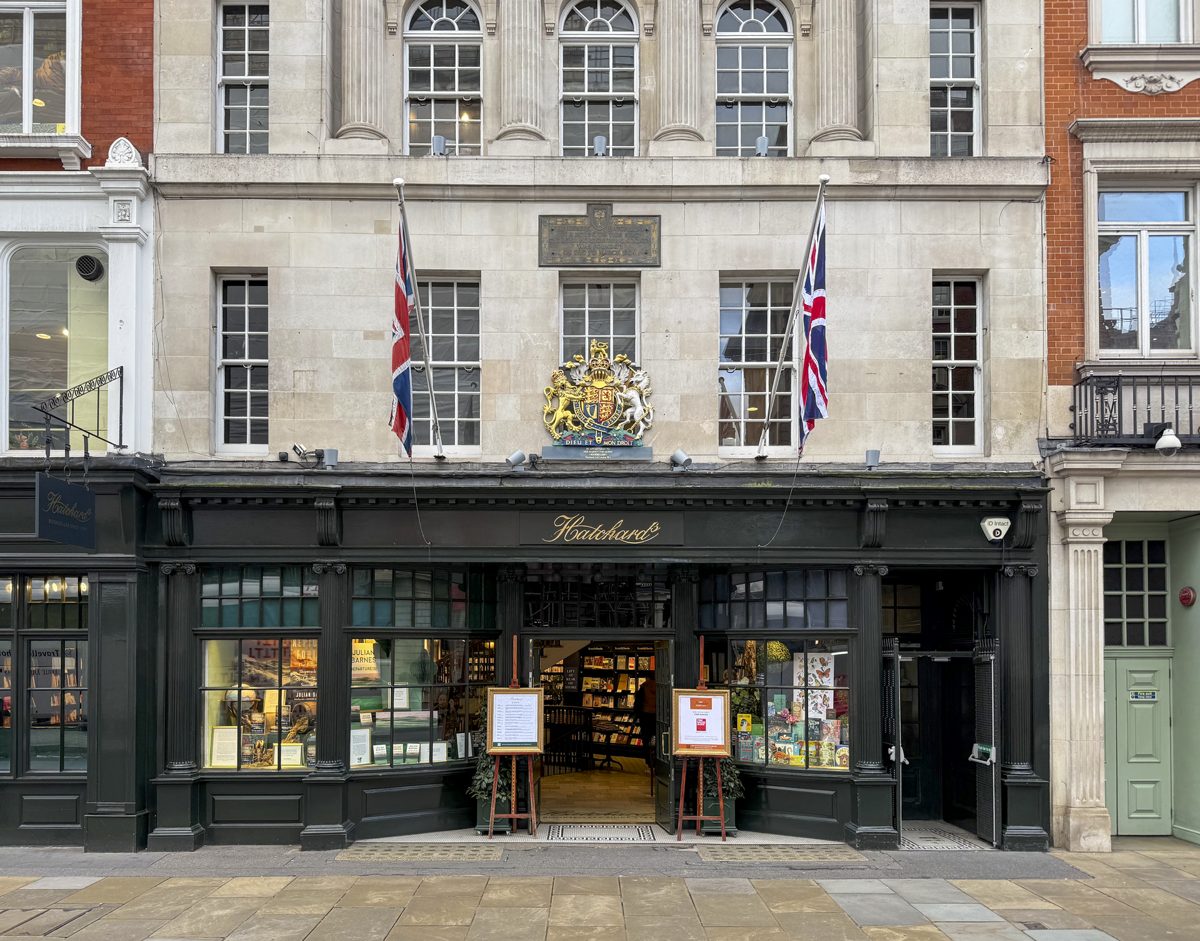
London's bookshop culture is best understood by walking between a handful of distinct shops rather than treating the city as one big shelf. This guide focuses on six well-known places, each with its own character, strengths, and natural audience.
Hatchards on Piccadilly
Hatchards is the oldest bookshop in London and sits on Piccadilly, close to Piccadilly Circus and the Royal Academy. The shop has the feel of a traditional bookseller: wooden shelves, staff recommendations, and a general range that runs from new fiction to history, biography, politics, children's books, and signed editions. It suits readers who want a broad, curated selection in a central location, especially those who value conversation with booksellers and a sense of continuity with older London retail. It is also a good choice for gifts, because the stock is wide without feeling chaotic.
Daunt Books on Marylebone High Street
Daunt Books on Marylebone High Street is famous for its Edwardian interior, with a long gallery and skylit space that makes browsing feel unhurried. Its reputation rests on travel literature and on arranging much of the stock by country rather than by subject alone. That makes it especially useful for readers planning a trip, learning about a region, or looking for fiction and nonfiction connected to a place. It suits travellers, language learners, and anyone who likes to browse by geography. The shop also carries strong general fiction and nonfiction, so it is not only for travel.
Foyles on Charing Cross Road
Foyles on Charing Cross Road is one of London's largest and best-known bookshops, with a broad range across fiction, nonfiction, academic subjects, music, languages, and children's books. The current flagship has a more open, modern layout than the old shop, and it is built for range rather than intimacy. It suits students, researchers, and readers who want to compare editions or find specialist titles in one visit. It is also useful when you need a book quickly and do not want to search across several smaller shops.
London Review Bookshop in Bloomsbury
The London Review Bookshop sits in Bloomsbury, near the British Museum, and is closely associated with the London Review of Books. Its strength is literary fiction, criticism, essays, poetry, history, and books that reward slow reading. The selection feels chosen by people who read deeply, and the shop is small enough to encourage discovery without overwhelming the browser. It suits readers who follow literary culture, enjoy essay collections, or want recommendations that go beyond bestseller tables. It is a natural stop before or after time in the museum district.
Stanfords in Covent Garden
Stanfords is the London specialist for maps, atlases, globes, walking guides, and travel planning. Its identity is practical as well as romantic: it serves walkers, cyclists, sailors, drivers, and travellers who need accurate cartography or route planning. The shop is strongest when you want to understand a journey before taking it, whether that means a street map of London, a topographic map, or a guide to a distant country. It suits travellers, outdoor readers, and anyone buying a gift for someone who prefers maps to novels.
Cecil Court and the second-hand trade
Cecil Court is a pedestrian street between Charing Cross Road and St Martin's Lane, lined with small second-hand and antiquarian bookshops. Rather than one shop, it offers a cluster of dealers with different specialisms, from used paperbacks to older illustrated books, prints, and collectible titles. The pleasure is in browsing slowly and comparing shelves, because stock changes and no two shops feel identical. It suits collectors, patient browsers, students looking for older editions, and visitors who want a book with a previous life. Go expecting variety rather than a single curated experience. Choose Hatchards for a traditional, central, general bookshop with staff recommendations. Choose Daunt Books for travel literature and country-by-country browsing. Choose Foyles for range, specialist subjects, and comparison shopping. Choose London Review Bookshop for literary fiction, criticism, essays, and poetry. Choose Stanfords for maps, atlases, travel guides, and route planning. Choose Cecil Court for second-hand, antiquarian, and collectible books.
Frequently asked questions
Which London bookshop is best for travel books?
Daunt Books on Marylebone High Street is the natural first stop, because travel literature and country-based browsing are central to its identity. Stanfords in Covent Garden is equally important if your need is cartographic rather than literary, since maps, atlases, and walking guides are its specialism. Many readers use both in the same day, with Daunt for narrative and Stanfords for practical planning.
Which shop suits a reader of literary fiction and criticism?
The London Review Bookshop in Bloomsbury is the strongest match, with a selection shaped by literary culture and serious reading. Hatchards and Foyles also carry literary fiction, but they are broader shops, so the London Review Bookshop is the better choice when you want depth in criticism, essays, and poetry rather than maximum range.
Is Cecil Court a single bookshop?
No. Cecil Court is a street of small second-hand and antiquarian bookshops, each with its own stock and character. That is its advantage: you can move from dealer to dealer and find used books, prints, and older editions that a single shop might not carry. It is best treated as a browsing route rather than one destination.
This is an independent member's guide compiled by London BGTC Society. We are not affiliated with the venues and institutions mentioned; opening arrangements and programmes change - always confirm details on the official websites before making plans.
← Back to Events