Independent cinema in London - screens, festivals and arts venues
Where London watches film properly: independent screens, repertory programming and festivals.
London's Independent Cinema Gems London's independent cinemas, from the historic Rio in Dalston to the luxurious Electric in Notting Hill, offer unique, curated film experiences beyond mainstream multiplexes. These venues are cultural institutions, architectural treasures, and community hubs, celebrating cinematic art and providing diverse programming for every enthusiast.
The Enduring Allure of London's Independent Screens
London stands as a global cultural capital, and its independent cinemas are cornerstones of this identity. These venues are not just places to watch films, they are cultural institutions, architectural treasures, and community hubs. They offer a counterpoint to the commercial cinema experience, focusing instead on artistic merit, historical significance, and a curated approach to programming. Each independent screen possesses a distinct personality, shaped by its history, location, and the specific audience it cultivates. Understanding these nuances allows for a more fulfilling engagement with London's cinematic offerings, guiding you towards the perfect setting for your next film discovery. They stand as vital spaces for film preservation, artistic expression, and community gathering, ensuring a vibrant and diverse cinematic landscape for the city's residents and visitors.
Prince Charles Cinema, Leicester Square
Nestled in a basement just off London's bustling Leicester Square, the Prince Charles Cinema stands as an irreverent, beloved institution. Its exterior is unassuming, tucked away beneath street level, but inside, its two screens buzz with an energy unlike any other cinema in the capital. The decor is functional rather than luxurious, reflecting its focus on accessibility and a no-frills, pure cinematic experience, though recent refurbishments have brightened its spaces. It retains a slightly scruffy, lived-in charm that endears it to its loyal following, a charm often punctuated by the friendly, witty banter of its staff.
The programming at the Prince Charles Cinema is defined by its embrace of cult classics, interactive screenings, and an astonishingly varied retro schedule. It is famous for its sing-along events for musicals like The Sound of Music and Grease, quote-along screenings for comedies such as Anchorman or the famously bad The Room, and all-night movie marathons featuring franchises like The Lord of the Rings or the Marvel Cinematic Universe. Alongside these, it presents carefully selected new independent releases, often at prices significantly lower than its West End neighbors, making it a haven for budget-conscious cinephiles. The cinema frequently runs double features, director retrospectives (e.g., Quentin Tarantino, Edgar Wright), and themed seasons, ranging from martial arts to horror, showcasing a deep appreciation for genre cinema. Its annual "Mystery Film" events draw eager crowds, adding an element of surprise to its eclectic schedule.
This venue suits a very specific type of filmgoer: those who cherish a communal, often boisterous, viewing experience. It is ideal for fans of cult films, anyone looking to revisit classic movies on the big screen, students, and budget-conscious cinephiles. If you appreciate a cinema that doesn't take itself too seriously while still deeply loving film, the Prince Charles offers an unparalleled atmosphere. It's a place for participation, discovery, and celebrating cinema's most enduring and often quirkiest moments, fostering a unique sense of camaraderie among its audience.
BFI Southbank, South Bank
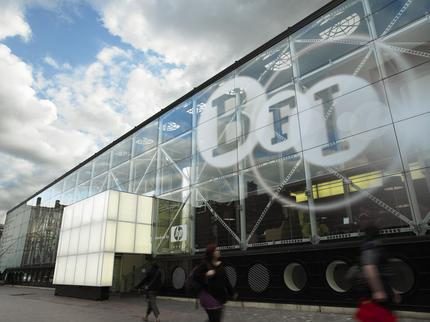
Situated beneath Waterloo Bridge on the South Bank, the BFI Southbank is the flagship venue of the British Film Institute and a monumental presence in UK cinema. Its brutalist architecture, designed by the Greater London Council Architects Department and opened in 1957, houses multiple screens, including the largest, NFT1, along with extensive archives, a library, and exhibition spaces. It is a serious film complex, designed to be a national hub for film culture, research, and preservation. The building's functional concrete aesthetic belies the treasure trove of cinematic history and contemporary artistry contained within its walls, offering a stark contrast to the vibrant cultural life within.
The programming at BFI Southbank is unparalleled in its scope and academic depth. It offers comprehensive retrospectives of directors like Akira Kurosawa, Ingmar Bergman, or Agnès Varda, actors, and national cinemas from across the globe (e.g., French New Wave, Korean New Wave), often accompanied by expert introductions and Q&As with filmmakers such as Martin Scorsese or Ken Loach. International independent films, experimental cinema, and silent films with live musical accompaniment (e.g., a restored print of Metropolis with a live score) are regular features. It hosts significant festivals, most notably the BFI London Film Festival, and showcases rare prints from its vast national archive, including early British cinema. New independent and art house releases are also a staple, presented within a broader context of film history and theory. The BFI Player, its streaming service, further extends its reach, offering a curated selection of films from its archive.
The BFI Southbank is perfectly suited for serious film scholars, dedicated cinephiles, and anyone with a deep interest in film history, theory, and global cinema. It appeals to those who seek intellectual engagement with film, appreciate curated seasons, and wish to explore the art form beyond mainstream offerings. If you value detailed programming notes, academic discussions, and the opportunity to see obscure or historically significant works, the BFI Southbank is an indispensable destination for a truly immersive cinematic education.
Rio Cinema, Dalston
The Rio Cinema in Dalston, East London, is a magnificent Art Deco picture house, instantly recognizable by its striking facade and prominent corner location on Kingsland High Street. Originally opened in 1909 as the Kingsland Palace, its current stunning Art Deco design dates from 1937, a masterpiece by architect F.E. Bromige. Inside, its single screen auditorium boasts a grand proscenium arch, plush seating, and a balcony, preserving much of its original grandeur. It operates as an independent, registered charity, deeply rooted in its local community, and is a vital cultural anchor in Hackney.
The Rio's programming reflects its community-focused ethos while maintaining a high standard of independent cinema. It primarily screens new independent releases, including acclaimed British and international features, documentaries, and foreign-language films, often with subtitles. The cinema also hosts special events, Q&As with filmmakers, and local film festivals, such as the Hackney Film Festival or the London Korean Film Festival. Its commitment to accessibility is evident in its relaxed screenings for audiences with sensory sensitivities, and family-friendly programming like "Kids' Club" on weekends. There is a strong emphasis on showcasing diverse voices and thought-provoking narratives, with specific seasons dedicated to LGBTQ+ cinema, Black History Month, or women in film, giving a platform to underrepresented stories.
This cinema is an excellent choice for East London residents, but also for anyone who appreciates classic cinema architecture and a thoughtfully curated selection of contemporary independent films. It suits those looking for a welcoming, community-oriented cinema experience that prioritizes artistic integrity and local engagement. If you enjoy discovering new cinematic talent and supporting a historic, independent venue, the Rio offers a genuinely enriching experience that extends beyond the screen into the heart of its neighborhood.
Regent Street Cinema, Regent Street
Holding a unique place in British film history, the Regent Street Cinema is often cited as the birthplace of British cinema, having hosted the UK's first public moving picture exhibition by the Lumière brothers in 1896. Located within the University of Westminster, its building combines Victorian grandeur with modern facilities. The single screen auditorium, beautifully restored in 2015, is elegantly appointed, featuring ornate plasterwork, comfortable seating, and a classic proscenium arch, evoking a sense of occasion for every screening. The restoration meticulously preserved its original architectural details while integrating state-of-the-art projection and sound systems.
The programming at Regent Street Cinema typically blends its historical legacy with contemporary independent cinema. It frequently screens classic re-releases, often silent films with live piano accompaniment by renowned musicians like Neil Brand or Stephen Horne, paying homage to its origins. Alongside these, it presents new independent features, documentaries, and curated seasons that often tie into academic themes or historical anniversaries, for instance, a season on Cold War thrillers or adaptations of classic literature. Its association with the university sometimes brings specialized programming, lectures, and masterclasses, offering deeper insights into film studies and production. Recent screenings have included restored versions of Casablanca and Citizen Kane, alongside new releases from independent distributors.
This venue is particularly well-suited for history enthusiasts, film scholars, and those who appreciate experiencing cinema in a setting steeped in its own past. It appeals to audiences looking for a refined, classic cinema experience, offering a thoughtful mix of heritage screenings and new independent works. If you are drawn to the origins of film and enjoy a blend of artistic discovery and historical context, the Regent Street Cinema provides a distinctive backdrop for appreciating the evolution of the moving image.
Genesis, Mile End
The Genesis Cinema in Mile End occupies a building with a rich and varied past, originally a 19th-century music hall where figures like Charlie Chaplin performed. Today, it stands as a vibrant, multi-screen independent cinema that successfully blends its historic character with modern amenities. The venue features several screens, including larger auditoriums and intimate studio spaces like Studio 5, alongside a popular bar (Bar Paragon) and cafe. Its interior design thoughtfully incorporates original architectural elements with contemporary touches, creating an inviting and stylish atmosphere that is both grand and comfortable.
Genesis offers a diverse programming slate that caters to a wide audience. While firmly independent, it screens a mix of mainstream independent releases, art house films, and select blockbusters, making it accessible to those who might not exclusively seek out niche cinema. For example, you might find an acclaimed A24 release like Past Lives alongside a major studio film like Dune: Part Two, or a thought-provoking documentary. It also hosts live events, stand-up comedy nights, and special screenings, positioning itself as a broader cultural hub for East London. The programming aims for variety, ensuring there's something for different tastes, from critically acclaimed dramas to more light-hearted fare, often accompanied by excellent food and drink options from its in-house kitchen and bar.
This cinema is an excellent choice for East London residents and anyone seeking a comfortable, modern cinema experience that offers a broad spectrum of new films. It suits those who appreciate a well-appointed venue with good food and drink options, making an evening out of a film screening. If you enjoy a mix of quality independent cinema and a relaxed, social atmosphere, Genesis provides a versatile and enjoyable destination, successfully bridging the gap between a traditional picture house and a contemporary cultural venue.
Electric Cinema, Portobello Road
The Electric Cinema on Portobello Road is renowned for offering one of London's most luxurious and distinctive cinematic experiences. Opened in 1910, it is one of the oldest working cinemas in the UK, designed by architect Gerald Seymour Valentin. Its single screen auditorium is designed for ultimate comfort, featuring 65 plush leather armchairs, individual footstools, side tables for drinks and snacks, and even cashmere blankets. The opulent, dark wood interior, subtle lighting, and attentive service create an atmosphere of exclusive indulgence, making every visit feel like a special occasion. For those seeking even more privacy, the back row features two-seater sofas.
The programming at the Electric Cinema is carefully curated, focusing on new independent releases, often those with a strong critical reception or significant buzz, such as Oscar-nominated dramas or highly anticipated foreign language films. It also screens a selection of more mainstream art house films and occasional high-quality blockbusters, chosen for their cinematic merit rather than just commercial appeal. The selection is always thoughtful, reflecting a taste for stylish, engaging storytelling, presented in a premium environment. Its sister venue, Electric House, a private members' club, further emphasizes the brand's commitment to luxury and exclusivity. Recent screenings have included critically acclaimed films like Poor Things or Anatomy of a Fall, presented in an unmatched setting.
This venue is ideal for those seeking a premium, high-end cinema experience where comfort and ambiance are paramount. It suits couples looking for a special date night, West London residents who appreciate luxury, and anyone who wants to treat themselves to a truly pampered film viewing. If you prioritize an elegant setting, exceptional comfort, and a curated selection of contemporary cinema, the Electric Cinema delivers an unforgettable outing, redefining what a trip to the movies can be.
Unique Experiences at London's Independent Cinemas
Prince Charles Cinema: Join a raucous sing-along for The Sound of Music or a quote-along for The Room, embracing communal, interactive film viewing with a lively crowd. BFI Southbank: Immerse yourself in comprehensive retrospectives, such as a deep dive into Ingmar Bergman's filmography or a season on Korean New Wave cinema, often with expert talks and Q&As. Rio Cinema: Catch a new independent British drama in a beautifully preserved Art Deco auditorium, supporting a venue deeply embedded in its East London community, complete with local film festival screenings. Regent Street Cinema: Experience a silent film classic like Metropolis with live piano accompaniment, reliving the origins of cinema in its historic birthplace, where the Lumière brothers first showed films in the UK. Genesis: Enjoy a critically acclaimed foreign language film or a thought-provoking documentary in a modern, comfortable setting, complete with a cocktail from Bar Paragon, in a building once graced by Charlie Chaplin. Electric Cinema: Indulge in a luxurious viewing of a new arthouse release from a plush leather armchair, complete with a cashmere blanket and tableside service, for an unparalleled pampered experience.
Frequently asked questions
Which independent cinema is best for cult film screenings and interactive events?
For cult film enthusiasts and those who enjoy a lively, interactive viewing experience, the Prince Charles Cinema in Leicester Square is unmatched. It regularly hosts sing-alongs for musicals like Grease, quote-alongs for comedies such as Anchorman, all-night marathons featuring The Lord of the Rings trilogy, and screens a vast array of classic and cult films, often encouraging audience participation in a unique, communal atmosphere. Its programming is specifically designed to celebrate the shared joy of these beloved movies.
Where can I find the most comprehensive programming for film history and international cinema?
The BFI Southbank is the definitive destination for comprehensive programming focused on film history, international cinema, and academic retrospectives. As the national hub for film culture, it offers an extensive schedule of themed seasons (e.g., French New Wave), director spotlights (e.g., Akira Kurosawa), silent films with live accompaniment (e.g., Metropolis), and access to a vast archive, providing unparalleled depth and breadth in its cinematic offerings. It also hosts the prestigious BFI London Film Festival.
Which independent cinema offers the most luxurious viewing experience in London?
For a truly luxurious and indulgent cinema experience, the Electric Cinema on Portobello Road stands out. Its single screen features plush leather armchairs, individual footstools, side tables, and cashmere blankets, all designed for maximum comfort. The focus here is on a premium, pampered viewing, combining a carefully curated selection of new independent and art house films with an opulent, exclusive ambiance, making it ideal for a special occasion.
This is an independent member's guide compiled by London BGTC Society. We are not affiliated with the venues and institutions mentioned; opening arrangements and programmes change - always confirm details on the official websites before making plans.
← Back to Events