Live jazz in London - a member's guide to the rooms that matter
From a Soho basement institution to Dalston's experimental rooms: where London plays jazz.
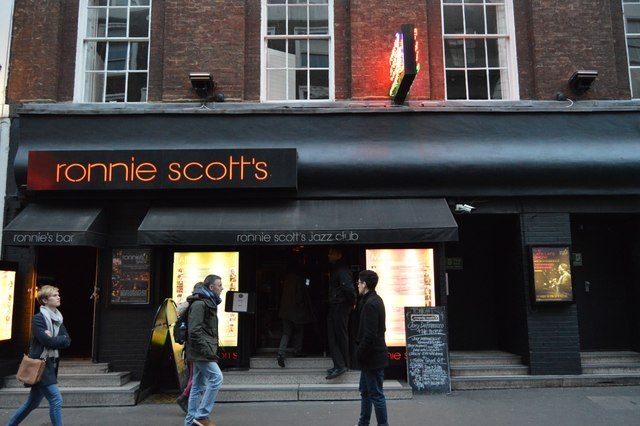
London's jazz scene offers a spectrum of experiences, from historic Soho basements hosting international legends to experimental hubs in East London. Whether seeking classic bebop, avant-garde improvisation, or groove-laden fusion, the city's venues cater to diverse tastes. Each space presents a unique character, defining its programming and the community it attracts.
Ronnie Scott's
Situated in a Soho basement, Ronnie Scott's is perhaps the most iconic jazz club in London, steeped in a history that dates back to 1959. Founded by saxophonists Ronnie Scott and Pete King, it began on Gerrard Street before moving to its current Frith Street location in 1965. The room itself is a classic, intimate space, characterized by low lighting, red velvet seating, and walls adorned with photographs of the many legends who have graced its stage, including Miles Davis, Ella Fitzgerald, Sarah Vaughan, and more recently, Wynton Marsalis and Gregory Porter. It fosters an atmosphere of reverence for the music, with tables arranged to give a clear view of the stage, encouraging focused listening. There is also an upstairs bar, The Upstairs @ Ronnie's, which offers a more casual setting with different programming, often featuring emerging artists or late-night sets.
The programming at Ronnie Scott's leans towards mainstream and classic jazz, regularly featuring established international stars in bebop, post-bop, and vocal jazz. You can expect to see artists with significant recording careers and a global following, such as Pat Metheny, Kurt Elling, or Dianne Reeves. While it respects tradition, the club also incorporates elements of soul, funk, and blues, ensuring a broad appeal within the jazz idiom. The main club hosts two sittings most nights, reflecting its enduring popularity and the consistent demand for its high-caliber acts. Ronnie Scott's has also been instrumental in the development of British jazz, providing a platform for local musicians to perform alongside and learn from global masters.
The audience at Ronnie Scott's is diverse, drawing a significant number of tourists eager to experience a world-renowned jazz institution. Local jazz aficionados, corporate groups entertaining clients, and those celebrating special occasions also frequent the club. Patrons often dress smartly, reflecting the venue's prestige, and come prepared for an evening of serious music appreciation, complemented by dinner and drinks. It is a destination for those seeking a quintessential, high-end jazz club experience, where the legacy of jazz is both honored and continued.
The Vortex Jazz Club
Nestled in Dalston, East London, The Vortex Jazz Club presents a stark contrast to the old-world charm of Soho. Established in Stoke Newington in 1987 and relocating to Dalston in 2005, the room is more functional and stripped-back, prioritizing excellent acoustics and an unobstructed view of the stage. It is a relatively small space, creating an immediate connection between the performers and the audience. The decor is minimal, putting the focus squarely on the sonic experience rather than elaborate surroundings. This unpretentious setting allows the music to speak for itself, fostering an environment where musical experimentation is paramount.
The programming at The Vortex is known for its adventurous and cutting-edge approach. It champions experimental jazz, free improvisation, and contemporary sounds, often showcasing both established figures in the avant-garde scene and promising emerging artists from the UK and beyond. You might encounter ground-breaking improvisers like Evan Parker, innovative guitarists such as Mary Halvorson, or leading figures of the new UK jazz scene like Shabaka Hutchings (with projects like Sons of Kemet or The Comet Is Coming). The club is a hub for musicians pushing boundaries, featuring everything from intricate modern compositions to spontaneous, abstract soundscapes. It fosters a vibrant environment for creative exploration and musical innovation, often hosting album launches, special projects, and its own 'Match & Fuse' festival which promotes international collaborations.
The audience at The Vortex is typically composed of serious jazz listeners, musicians themselves, and a younger, intellectually curious crowd drawn to new and challenging music. They are often local residents from East London, appreciative of the club's commitment to artistic integrity over commercial appeal. Patrons here are engaged and attentive, coming specifically to hear innovative sounds and support the development of contemporary jazz. It is a place for those who seek to expand their understanding of what jazz can be, embracing its most forward-thinking iterations.
Cafe OTO
Also located in Dalston, Cafe OTO stands as a unique institution within London's experimental music landscape. Opened in 2008, the room is exceptionally minimalist, almost industrial in its aesthetic-a sparse, unadorned space with a simple stage area. This deliberate lack of visual distraction ensures that the audience's attention is entirely on the sound. It's a small, intimate venue that feels more like a community space or a laboratory for sound than a traditional club. The emphasis is on sonic purity and the direct experience of live performance, often with artists performing without elaborate stage lighting or amplification.
Cafe OTO's programming is fiercely independent and highly specialized, extending far beyond the conventional definitions of jazz. While it hosts some incredibly adventurous jazz musicians, its remit includes experimental music, avant-garde electronics, noise, improvised music, drone, folk, and various forms of world music. It is a vital platform for artists who operate on the fringes of commercial music, offering a space for genuine artistic risk-taking and exploration. Performers have included figures like Mats Gustafsson, Oren Ambarchi, and Ikue Mori, often presenting rare collaborations or UK debuts. The programming is curated with a deep respect for artistic vision, often featuring artists from influential experimental labels such as PAN or Editions Mego, and it even runs its own record label, OTOroku.
The audience for Cafe OTO is a dedicated niche, comprising artists, musicians, academics, and highly adventurous listeners. They are often regulars, deeply invested in the experimental music scene and eager to discover new sounds and challenging performances. This is not a venue for casual background music; attendees come with an open mind and a willingness to engage deeply with the sonic offerings. It draws a community that values artistic freedom and the exploration of new musical territories, making it a crucial nexus for the global experimental music community.
Kings Place
Kings Place, situated in King's Cross, is a purpose-built arts venue housing multiple performance spaces, primarily known for its excellent acoustics. Opened in 2008, Hall One, the main concert hall, is a modern, wood-paneled space with tiered seating, designed by Arup for optimal sound quality and audience comfort. Hall Two offers a more flexible and intimate setting. The overall environment is contemporary and polished, offering a different kind of concert experience compared to the more traditional or gritty club settings. The venue also features galleries, restaurants, and bars, creating a comprehensive cultural destination.
The programming at Kings Place is broad and eclectic, reflecting its identity as a multi-arts venue. While it features classical music prominently, its jazz offerings are significant and diverse. You might find contemporary jazz artists, vocalists, big bands, world music fusion, and crossover projects that blend jazz with other genres. They often present themed series or mini-festivals, showcasing different facets of modern jazz and improvised music, and are a key venue for the annual EFG London Jazz Festival. Internationally renowned artists such as Brad Mehldau, Christian McBride, Julian Lage, and Cécile McLorin Salvant have performed here, appreciating the pristine acoustics and sophisticated setting.
The audience at Kings Place is generally a broader arts audience, including classical music lovers, discerning concert-goers, and those seeking a comfortable, high-quality listening experience. It attracts a well-heeled demographic, often couples or groups who appreciate the venue's amenities, including its restaurants and bars. Patrons come for a refined cultural experience, valuing both the musical performance and the comfort of the venue. It is a choice for those who prefer a concert hall environment over a more traditional club setting, offering a polished approach to live jazz.
The 606 Club
The room is cozy and inviting, with tables arranged for dining, creating a relaxed atmosphere where music and food naturally intertwine. It feels like a local, beloved haunt, with a warm, welcoming vibe that encourages regulars to return. The decor is understated, allowing the focus to remain on the live performance, often with performers interacting directly with the audience in the small space.
The programming at the 606 Club is primarily focused on the UK jazz, blues, soul, and funk scene. It provides a vital platform for British musicians, featuring a strong lineup of vocalists, instrumentalists, and bands across these genres. The music tends to be accessible and engaging, less avant-garde than some other venues, emphasizing melody, groove, and skillful improvisation. You often find resident bands and familiar faces on the schedule, such as acclaimed vocalists Liane Carroll and Claire Martin, or saxophonist Ian Shaw, contributing to the club's sense of community. It's a place where you can reliably hear high-quality, soulful performances, often with a strong emphasis on vocal jazz and blues-inflected sounds.
The audience at the 606 Club is a loyal and local one, drawing residents from Chelsea and surrounding areas. It is popular with couples and groups looking for a relaxed evening of dinner and live music. Many patrons are regulars who appreciate the consistent quality of the performances and the friendly, unpretentious atmosphere. It is a destination for those who enjoy a more laid-back, dinner-club style jazz experience, valuing excellent homegrown talent in a comfortable setting.
The Jazz Cafe
In the heart of Camden Town, The Jazz Cafe is a multi-level venue that merges the energy of a concert hall with the intimacy of a club. Opened in 1990, the main room features a standing area on the ground floor, often encouraging dancing, with a balcony offering seated views. The stage is prominent, and the sound system is robust, designed to deliver a powerful live music experience. It has a vibrant, often bustling atmosphere, particularly on weekends, making it a dynamic space for live music.
The programming at The Jazz Cafe is diverse and groove-oriented, spanning a wide range of genres that intersect with jazz. Expect to hear jazz-funk, soul, R&B, acid jazz, hip-hop influenced jazz, and various forms of world music fusion. The venue frequently hosts international touring acts alongside prominent UK artists, playing a significant role in the acid jazz movement of the 1990s and continuing to champion artists like Roy Ayers, Kamaal Williams, Nubya Garcia, and Kokoroko. It often incorporates DJs into its nights, creating a seamless transition from live performance to a dance-focused atmosphere. The focus is on rhythmic vitality and engaging performances that get the audience moving.
The audience at The Jazz Cafe is typically younger and more diverse than some traditional jazz clubs. It attracts a crowd keen on dancing, enjoying a party atmosphere, and experiencing high-energy performances. Tourists exploring Camden, fans of soul and funk, and those looking for a lively night out frequently attend. It is less about purist jazz listening and more about a dynamic, genre-blending musical experience, appealing to those who appreciate music with a strong beat and a celebratory vibe, often extending into late-night club sessions.
Here is a summary of programming characteristics across these venues: Ronnie Scott's: Mainstream jazz, bebop, post-bop, vocal jazz, international stars (e.g., Miles Davis, Wynton Marsalis). The Vortex Jazz Club: Experimental, free jazz, contemporary, avant-garde, emerging artists (e.g., Evan Parker, Shabaka Hutchings). Cafe OTO: Experimental, avant-garde, noise, improv, electronic, world music, boundary-pushing (e.g., Mats Gustafsson, Ikue Mori). Kings Place: Eclectic, classical crossover, contemporary jazz, world music, folk, themed series (e.g., Brad Mehldau, Cécile McLorin Salvant). The 606 Club: UK-focused, vocal jazz, blues, funk, soul, accessible, resident bands (e.g., Liane Carroll, Ian Shaw). The Jazz Cafe: Jazz-funk, soul, R&B, acid jazz, hip-hop influenced jazz, groove-oriented (e.g., Roy Ayers, Nubya Garcia).
Frequently asked questions
Which venue is best for a classic, traditional jazz experience?
For an evening immersed in the history and sound of classic jazz, Ronnie Scott's in Soho is the definitive choice. Its intimate basement setting, steeped in legacy, regularly hosts international luminaries performing bebop, post-bop, and vocal jazz. The atmosphere is refined, drawing an audience that appreciates the genre's heritage and a polished, high-quality performance.
Where can I find the most experimental or avant-garde jazz?
For those seeking the cutting edge of jazz and improvised music, The Vortex Jazz Club and Cafe OTO, both in Dalston, are the leading destinations. The Vortex is known for its contemporary and free jazz programming, showcasing artists pushing boundaries like Shabaka Hutchings. Cafe OTO goes even further, presenting a wide spectrum of experimental, noise, and avant-garde music, often challenging traditional genre definitions with artists such as Mats Gustafsson.
What defines the audience at these different clubs?
Audiences vary significantly. Ronnie Scott's attracts tourists and corporate clients seeking a premium experience, while The Vortex and Cafe OTO draw dedicated musicians and adventurous listeners keen on new sounds. Kings Place appeals to a broader arts audience, including classical fans, who value comfort and acoustics. The 606 Club fosters a loyal local following for dinner and accessible jazz, and The Jazz Cafe brings in a younger, diverse crowd looking for lively, dance-friendly jazz, funk, and soul.
This is an independent member's guide compiled by London BGTC Society. We are not affiliated with the venues and institutions mentioned; opening arrangements and programmes change - always confirm details on the official websites before making plans.
← Back to Events