London's markets and food culture - a member's guide
The historic markets and food districts where London eats, shops and gathers - a timeless companion, not a restaurant list.
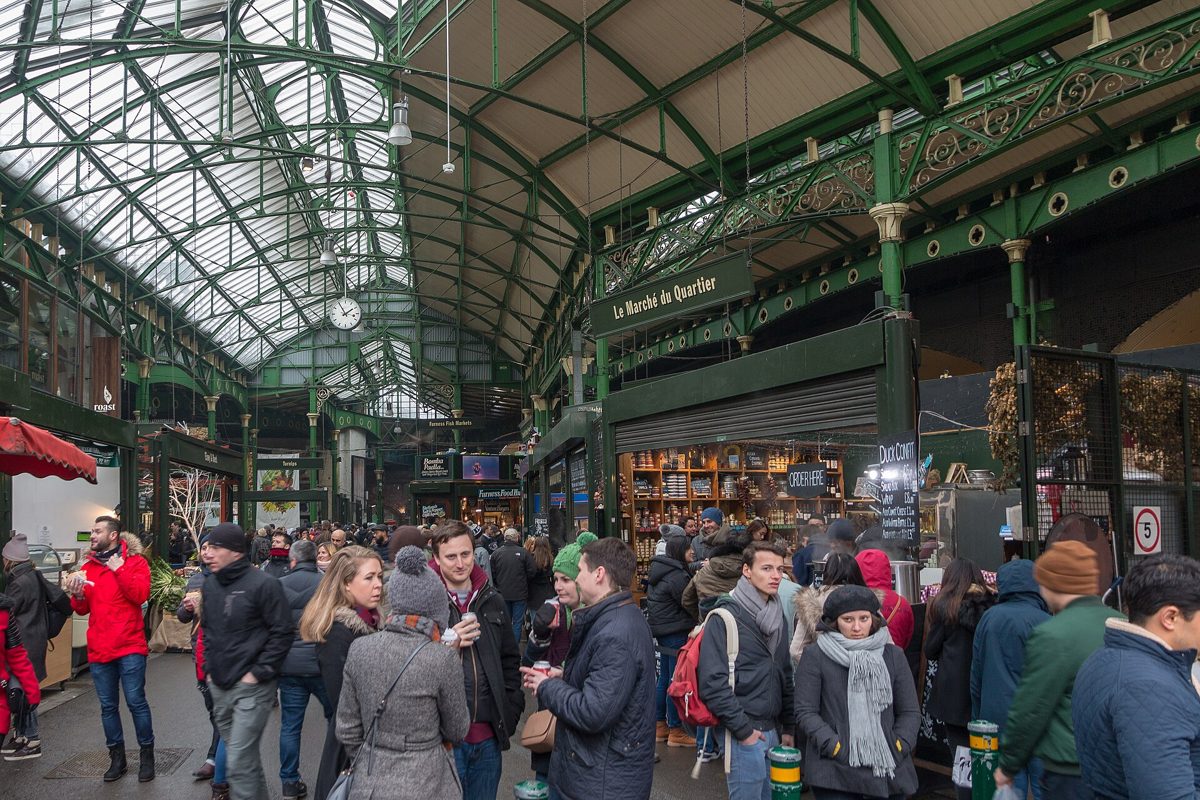
London's Enduring Market Spirit London's markets are vibrant hubs reflecting centuries of trade, immigration, and culinary innovation. From historic food halls to creative street markets, they offer an unparalleled journey through the city's diverse flavors and cultures. Exploring these dynamic spaces connects visitors directly to London's evolving identity, offering everything from gourmet treats to unique artisanal crafts and global street food. London's market scene vibrantly demonstrates the city's enduring spirit of commerce and community. These aren't just places to buy goods; they are cultural institutions, social gathering points, and historical landmarks, each with its own distinct personality. For centuries, markets have been the lifeblood of the city, adapting through plagues, fires, and wars, always re-emerging to serve the ever-changing population. From the grand Victorian structures to the more recent pop-up food havens, they offer a tangible link to London's past while showcasing its cutting-edge present. Stepping into one of these markets is to immerse yourself in the city's sensory symphony - the aroma of spices, the chatter of vendors, the sight of fresh produce, and the taste of authentic, often globally inspired, cuisine. This guide will navigate you through some of London's most iconic markets, offering a glimpse into their history, character, and what makes each one uniquely special.
Borough Market
Borough Market, nestled beside Southwark Cathedral and the Shard, is arguably London's most famous food market. Its character is one of bustling gourmet excellence, a vibrant sensory overload of sights, sounds, and smells. For over a thousand years, a market has existed on this site, with records dating back to at least the 12th century, though its commercial importance truly solidified in the 13th century as a key hub for produce entering London. The current market structure and its surrounding buildings largely date from the mid-19th century, giving it a timeless, robust feel, particularly the impressive Victorian iron and glass structures that shelter many of its stalls. It's known for its exceptional quality produce, artisan breads from places like Bread Ahead, cheeses from Neal's Yard Dairy, charcuterie from Brindisa, and an incredible array of international street food stalls. Vendors like Padella for pasta or Horn OK Please for Indian street food often draw long queues, highlighting the market's reputation for culinary excellence. This market is a serious destination for food lovers seeking premium ingredients or an unforgettable meal, whether it's a gourmet mushroom risotto from Risotto2Go or a freshly shucked oyster from Richard Haward's Oysters.
Best use for Borough Market: A weekend foodie pilgrimage to discover unique ingredients and gourmet treats. An excellent spot for a diverse and high-quality lunch, with options ranging from venison burgers to Ethiopian stews. A place to source fresh, seasonal produce directly from growers and producers.
Insider note: While it can feel incredibly busy, especially on a Saturday, many of the traders have been here for generations. Strike up a conversation; you'll often hear fascinating stories about their produce and the market's long history. Look up at the railway viaducts crisscrossing overhead, a reminder of the market's industrial past and its constant adaptation.
Spitalfields Market
East London's Spitalfields Market offers a different kind of buzz, blending history with contemporary fashion, art, and food. The market has been a trading hub since 1638, when King Charles I granted a royal license for "flesh, fowl, and roots" to be sold here. Over centuries, it evolved, becoming a major fruit and vegetable market before its modern transformation. Today, its grand Victorian market hall, designed by George Sherrin and opened in 1887, houses a dynamic mix of independent boutiques, vintage stalls, and a fantastic selection of street food vendors. Brands like Inspitalfields offer unique London-themed gifts, while various stalls feature handmade jewelry and ethically sourced fashion. The atmosphere is eclectic and youthful, drawing in both locals and visitors looking for something unique. It's a place where you can find a handcrafted piece of jewelry alongside a delicious vegan burger from Bleecker Burger or a rare vinyl record from one of the specialist music vendors.
Best use for Spitalfields Market: Discovering unique fashion from independent designers and vintage finds. Enjoying a diverse lunch or snack from a wide range of international food stalls. Browsing artisan crafts, art prints, and quirky gifts.
Insider note: Beyond the main market hall, explore the surrounding streets like Brushfield Street and Commercial Street. They are home to a host of independent shops and eateries that extend the Spitalfields experience, offering even more unique finds away from the main thoroughfare, including galleries and artisanal coffee shops like Dark Arts Coffee.
Brick Lane
Brick Lane, a pulsating artery in the heart of East London, is synonymous with vibrant street art, vintage fashion, and, above all, curry. Its character is raw, edgy, and deeply multicultural, a reflection of the successive waves of immigrants who have settled here, each leaving their mark. French Huguenots, fleeing persecution in the 17th century, established the silk weaving industry. Later, Irish immigrants arrived, followed by a significant Jewish community in the late 19th and early 20th centuries, who brought with them their famous bagel bakeries. Most recently, the Bangladeshi community has shaped the area, turning it into London's "Curry Capital," with restaurants like Tayyabs and Dishoom drawing crowds. The market activity peaks on Sundays, with a lively street scene featuring countless food stalls, antique dealers, and independent artists showcasing their work. While the famous curry houses are a draw, the area's history as a hub for bagel bakeries also continues strong, with institutions like Beigel Bake (the white sign) and The Beigel Shop (the blue sign) operating 24/7, serving their iconic salt beef bagels.
Best use for Brick Lane: A Sunday exploration of street art and graffiti, some of the best in London. Hunting for vintage clothing and unique bric-a-brac in its many shops and stalls. Enjoying a classic salt beef bagel from one of its historic bakeries, or sampling the diverse curry offerings.
Insider note: Don't just stick to the main road. Duck into the various side alleys and former brewery buildings, like the Old Truman Brewery complex, where you'll find more markets such as the Boiler House Food Hall, pop-up shops, and hidden gems. The street art changes constantly, with works by famous artists like ROA and Banksy (though many pieces are ephemeral), so every visit offers new discoveries.
Broadway Market
Nestled along the Regent's Canal in Hackney, Broadway Market offers a charming, village-like atmosphere, a stark contrast to some of the larger, more tourist-heavy markets. While its current incarnation as a popular Saturday food and craft market only truly took off in 2004, spearheaded by local residents and traders, the market has a much longer history, first established in the 1890s as a traditional street market serving the local working-class community. It retains a strong community feel, attracting locals who come for the high-quality artisanal produce, independent bookshops like Broadway Bookshop, and cozy cafes such as Climpson & Sons Coffee. The market's character is bohemian and relaxed, perfect for a leisurely Saturday morning stroll, perhaps picking up freshly baked sourdough from The Bread Station or organic vegetables from one of the many farm stalls.
Best use for Broadway Market: A relaxed Saturday morning for brunch and coffee. Shopping for fresh, locally sourced produce and baked goods. Enjoying a canalside walk after browsing the stalls and shops.
Insider note: After you've explored the market, consider walking along the towpath of the Regent's Canal. You can head west towards Angel or east towards Victoria Park, enjoying a peaceful escape from the city bustle. The canal boats add to the unique charm of the area.
Maltby Street Market
Maltby Street Market, tucked away under the railway arches in Bermondsey, offers a more intimate and gritty foodie experience compared to its larger neighbour, Borough Market. It began organically around 2010, with a few pioneering traders, including Monmouth Coffee and The Kernel Brewery, setting up shop in the Ropewalk, the narrow lane beneath the arches. Its character is distinctly urban and industrial, yet welcoming. It's known for its focus on exceptional street food, craft beer, and artisan producers, many of whom have their workshops or bakeries directly within the arches. You can find everything from exquisite Scotch eggs at The Scotch Egg Club to Ethiopian stews and fresh pasta. The atmosphere is buzzing, but generally less overwhelming than some of the more established markets, offering a genuine 'local secret' vibe.
Best use for Maltby Street Market: A weekend culinary adventure for discerning foodies seeking innovative street food. Discovering craft breweries and distilleries operating out of the railway arches. A relaxed alternative to larger markets, with a more local, insider feel.
Insider note: Look out for the various small businesses that operate year-round in the arches, even when the main market isn't fully active. Many of these offer specialty products like artisan coffee from Monmouth, fresh bread from The Little Bread Pedlar, or unique wines from The Gated Garden throughout the week, extending the market's charm beyond peak hours.
Leadenhall Market
Leadenhall Market stands as a stunning architectural gem in the heart of the City of London, a world away from the street food markets of the East End. While it has roots stretching back to the 14th century as a meat, poultry, and game market, its true glory comes from its magnificent Victorian design. Originally, a market here dates back to Roman Londinium, evolving from a simple poultry market to a major trading hub. Rebuilt in 1881 by Sir Horace Jones, the same architect who designed Smithfield Market and Tower Bridge, its ornate painted roof structure, cobbled streets, and intricate details make it a popular filming location and a visual spectacle. It famously served as the exterior for Diagon Alley and the Leaky Cauldron in the Harry Potter films, drawing fans from around the globe. Its character is grand, historic, and slightly theatrical, often filled with city workers grabbing lunch from its cafes and pubs, or tourists admiring its beauty and history. Its blend of traditional shops, modern eateries, and pubs like The Lamb Tavern offers a unique urban experience.
Best use for Leadenhall Market: Architectural appreciation and photography, particularly of its stunning Victorian design. A lunchtime escape for city workers, with a selection of cafes, pubs, and eateries. A historical walk through one of London's oldest market sites, tracing its Roman origins.
Insider note: Take time to look closely at the details of the market's structure. The painted green, maroon, and cream ironwork, the intricate glass roof, and the charming shopfronts all contribute to its unique, almost cinematic, atmosphere. It's a true hidden gem for history and architecture enthusiasts.
Frequently asked questions
What is the best day to visit London's markets?
Most of London's popular food and craft markets, like Borough, Broadway, Maltby Street, and Brick Lane, are at their most vibrant and have the fullest array of stalls on Saturdays and Sundays. Weekdays often see a reduced number of traders, though some markets, like Borough and Spitalfields, still offer a good selection for lunch. Leadenhall Market is primarily a weekday lunch spot for city workers and an architectural attraction seven days a week, offering a different, quieter experience on weekends.
How can I best navigate the crowds at popular markets like Borough?
To avoid the densest crowds, consider visiting popular markets earlier in the morning, shortly after opening, or later in the afternoon, closer to closing time. Weekday visits, if possible, are always less crowded than weekends. If you must go on a Saturday, embrace the energy, be patient, and take your time. Remember to keep an eye on your belongings in busy areas, especially in bustling spots around popular food stalls.
Are there options for visitors beyond just food at these markets?
Absolutely. While food is a major draw, many of these markets offer a wealth of other experiences. Spitalfields and Brick Lane are excellent for vintage clothing, independent fashion, and artisan crafts, often featuring unique finds from local designers and artists. Broadway Market has charming independent bookshops like Broadway Bookshop and unique boutiques. Leadenhall Market is primarily an architectural and historical site, perfect for photography and exploring London's past. Even Borough Market, beyond its incredible food, offers a fantastic atmosphere and a glimpse into London's long trading history, with some stalls selling kitchenware and unique gifts. Each market provides a unique cultural immersion.
This is an independent member's guide compiled by London BGTC Society. We are not affiliated with the venues and institutions mentioned; opening arrangements and programmes change - always confirm details on the official websites before making plans.
← Back to Events